Issue #2 — September 2026: The Jepson Family
Stories of Migration, Settlement, and Family History
Issue #2 | September 2026 | Jepson Family
By Susan Jepson Lenski
Lives Behind the Records. Questions. Discoveries. Stories from Family History.
What I’ve Been Wondering…
This month I found myself thinking about two young immigrants from rural Sweden—Martin Jepson and Annie Olson Jepson, my great-grandparents. I wondered what their lives had been like before they left home. How did they first hear about Chicago? What did they imagine they would find there? And what enabled them not only to survive, but to build successful lives in a city unlike anything they had ever known?
Martin grew up in Bolshög and Annie in nearby Allerum, two small farming communities in Skåne. They never met in Sweden. Martin left for America in 1893; Annie emigrated three years later.
The records tell us only part of their story. Martin worked as a farm laborer from the age of seventeen, moving from one temporary job to another. Annie worked at her parish church, probably as a maid. But records rarely tell us what people hoped for, feared, or imagined.
As I tried to picture their world, I joined the Swedish American Historical Society and began reading about nineteenth-century Swedish emigration. I learned that between 1840 and 1920, about 1.3 million Swedes left for America. Even people living in small rural villages often had relatives, friends, or neighbors who had already crossed the Atlantic and were writing home about opportunities in America.
That made me think differently about Martin and Annie. Although I haven’t yet discovered anyone who helped them settle in Chicago, they almost certainly heard stories long before they boarded a ship. But how accurate were those stories? Did they picture broad streets and steady jobs, or something much closer to the villages they had left behind? Were they excited? Afraid? Both?
The records answer many questions, but they also raise new ones. This month, I set out to better understand the world Martin and Annie left behind—and the one they found in Illinois.
How We’re Connected
Martin and Annie Jepson were my great-grandparents. I am connected to Martin and Annie Jepson through my father, David Jepson, and my grandfather, Carl Jepson.
A Window into Martin’s Life
As I learned about Martin’s life, I wanted to understand who he was before he came to America. This month, I found a record that helped me think of him as a person.
One of the richest sources for Swedish family history is the Husförhörslängder (Household Clerical Surveys), records kept by Lutheran parish priests between 1654 and 1901. They resemble U.S. census records but contain far more information. In addition to recording births, deaths, and migrations, they document literacy, religious instruction, and participation in communion. Parish priests updated these records regularly, often during annual visits to each household.
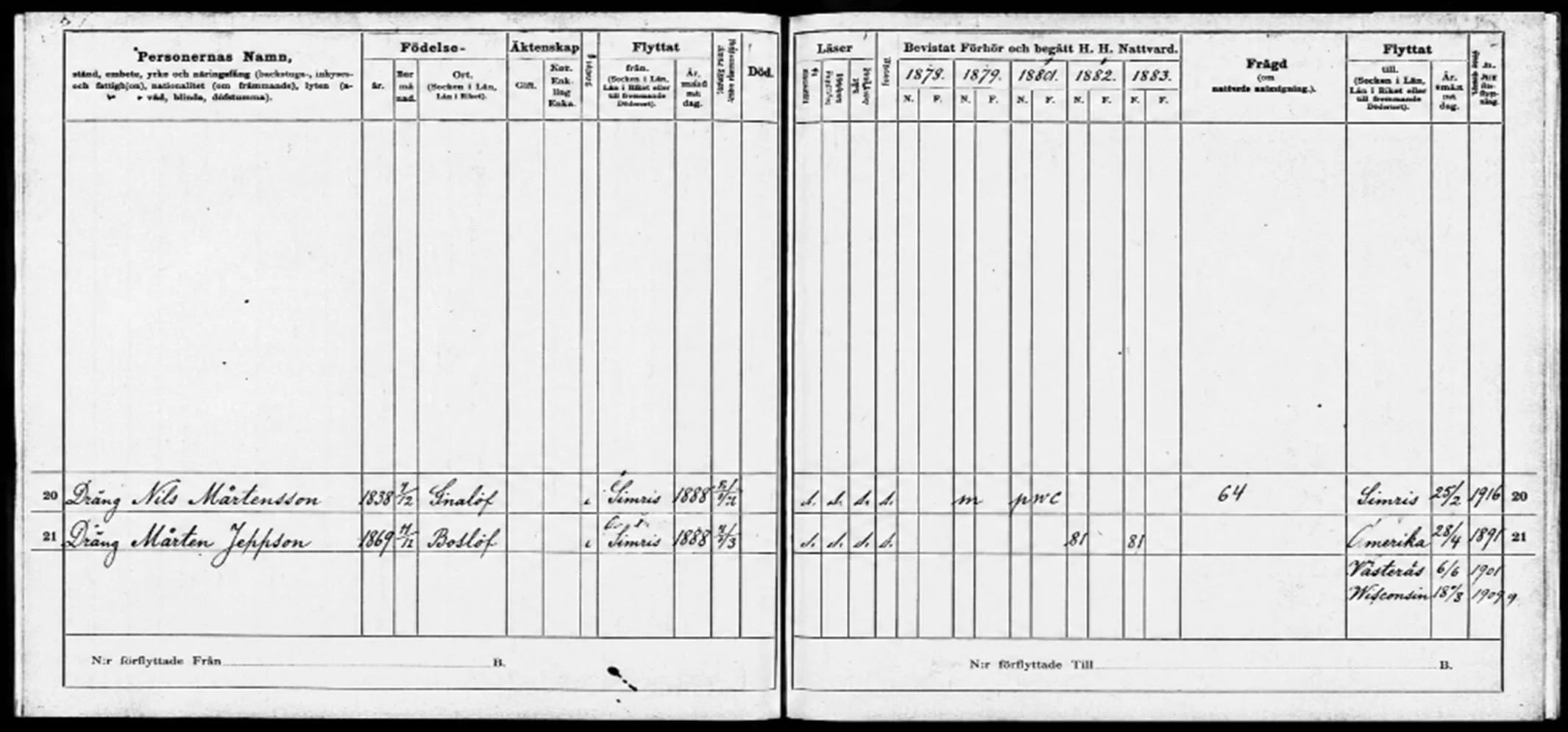
Copy of Household Clerical Survey. Martin’s entry is at the bottom of the page.
There was one challenge: the record was written in Swedish, using nineteenth-century handwriting. With the help of AI, I translated the page and interpreted the column headings. Suddenly, the record began to tell a story. I learned that by 1886 Martin was living in Västanbäck, that his birth date was recorded as 12 November 1869, that he could read, had completed his Lutheran religious instruction, and participated in communion that year.
Before finding this record, Martin was simply a young farm laborer preparing to leave Sweden. Now I can imagine him more clearly: a literate young man shaped by the Lutheran church, moving from farm to farm in search of work, trying to build a future. Then he decided to leave that world and try something very different: Chicago.
A Glimpse into Annie’s World
Unlike Martin, Annie left few clues about her life before America. The records tell me where she lived and who was in her family, but they say almost nothing about what her days were like.
Fortunately, another kind of evidence survives. In the 1980’s, my great Aunt Mildred traveled to Sweden, met some of our Olson relatives, and photographed the places where Annie grew up. Those photographs became a way for me to step into Annie’s world.
The House Where Annie Was Born
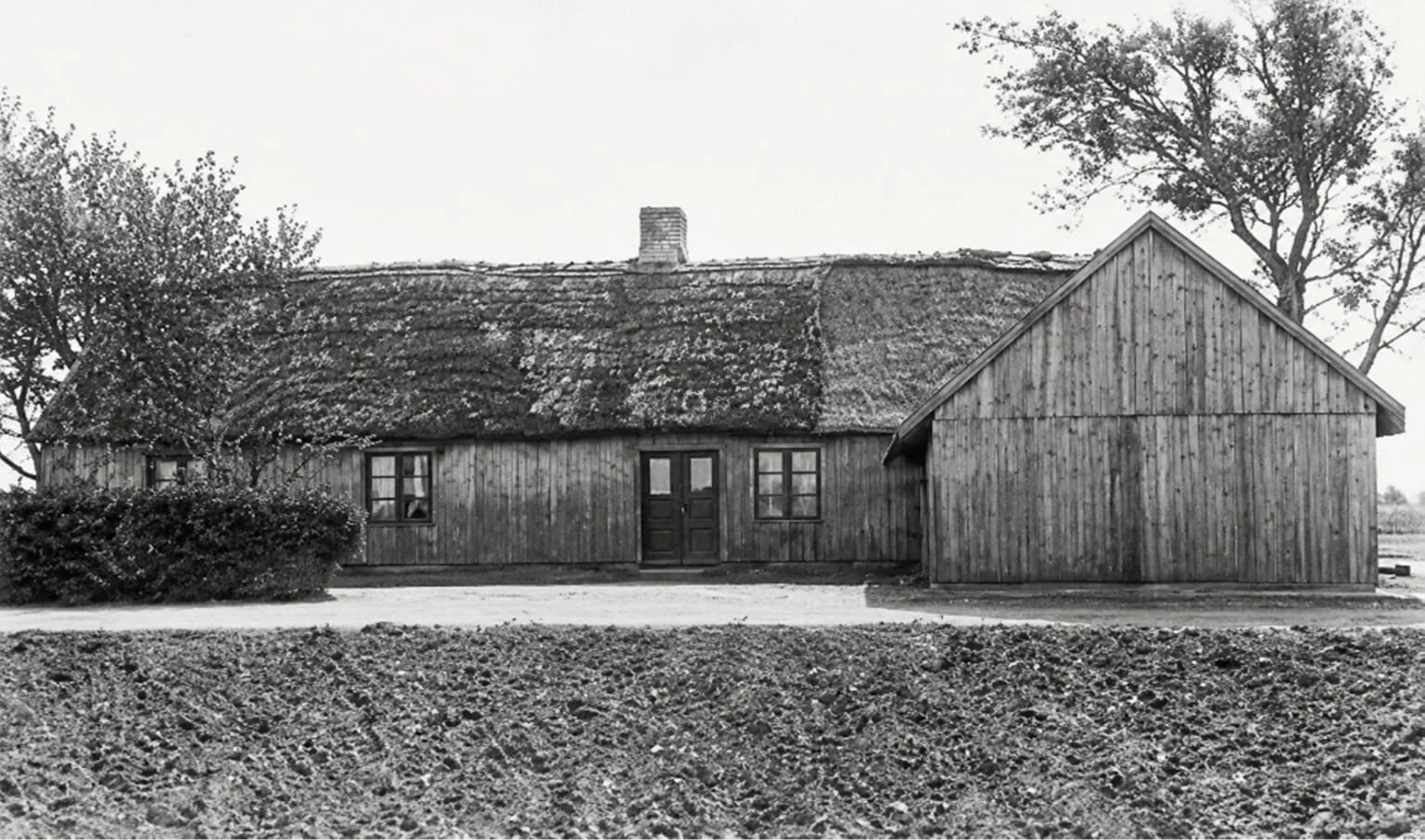
Old photo of the Olson family home where Annie was born. Photo given to Mildred Morse while she was in Sweden.
Annie was born here in 1880. She was the eighth of nine children, so she was part of a busy household. I don’t know what chores she had to do or what her siblings were like. I do know that Annie was the only one in her household who emigrated to America. I still wonder what gave her the motivation and courage to leave her home when she was only sixteen years of age.
The Parish Church
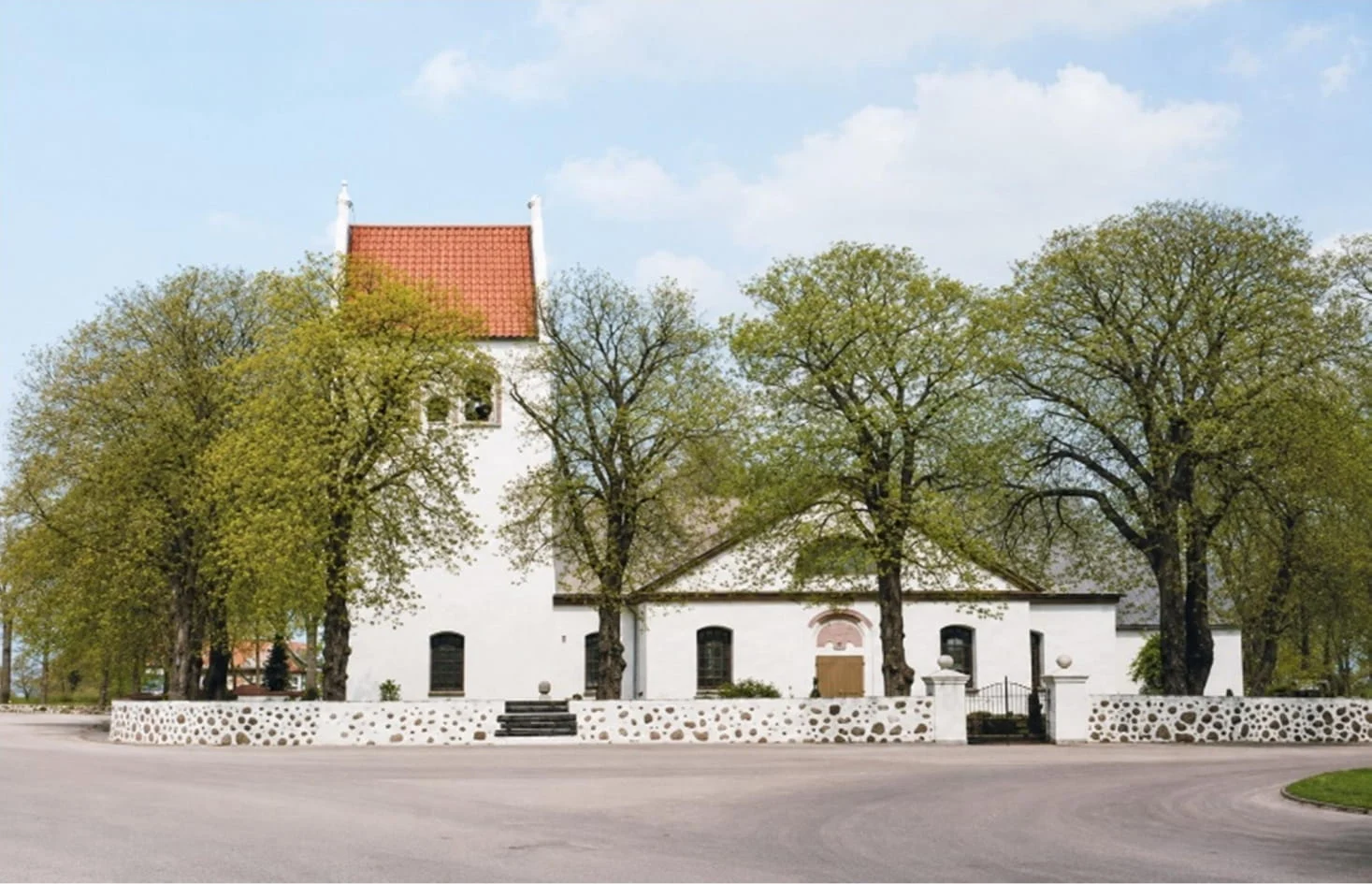
Photo of Allerum church taken by Mildred Morse, c. 1983.
This church was the center of village life. It was much more than a place of worship. Births, baptisms, confirmations, marriages, and deaths were all recorded here. Annie was confirmed here and later worked here, probably as a maid. When I look at this building, I imagine it as one of the constants in her life—a place she knew long before she ever imagined Chicago.
These photographs help me visualize what Annie’s life was like before she left for America. I picture her walking on quiet dirt roads among crops and farm animals. Then I think about Annie in Chicago with its crowded streets and noise, and I marvel at the effort it would have taken to navigate such a different world.
AI in Genealogy
This month I used AI to help interpret Swedish parish records—but only after I learned an important lesson. At first, I uploaded an entire page from a nineteenth-century parish register and asked AI to translate it. The results were disappointing. The old handwriting proved too difficult, and many of the translations were inaccurate. In my experience, AI still struggles with reading handwritten historical documents.
I had much better success by working with smaller pieces. Instead of asking AI to interpret the entire page, I cropped individual column headings and short sections of text. AI translated the Swedish into English, explained the purpose of each column, and described how parish priests used these records.
Research Puzzles: Some Solved, Some Not
Solved: Martin Jepson’s Birth Year. As I researched the Jepson family, I discovered an inconsistency that appears in several places online. Martin Jepson’s birth year is listed as 1872 on Find-A-Grave and in some family trees. However, Swedish birth records and parish records clearly show that he was born in 1869.
After tracing the records backward, I believe I found the source of the error. Martin’s death certificate, completed in 1950, lists his birth date as 12 November 1872. The information was provided by his daughter, Mildred Morse. At the time of Martin’s death, neither Mildred nor other family members had begun researching the family’s Swedish records. Years later, once they contacted Swedish archives and examined the parish registers, they discovered the correct birth year: 1869. In other words, the incorrect date likely originated with the death certificate and was repeated over time in later records and online family trees.
Unsolved: Who Helped Martin and Annie? I still have important gaps in the Jepson story, especially concerning Martin and Annie’s migration to Chicago. For many immigrant ancestors, I’ve been able to identify relatives, neighbors, or friends who either traveled with them or settled ahead of them and helped them adjust to life in America. So far, however, I have not found those kinds of connections for either Martin or Annie.
I do know they were married on 16 June 1901 in Gustavus Adolphus Lutheran Church, a Swedish congregation. It’s likely the church was one place where they connected with other Swedish immigrants.
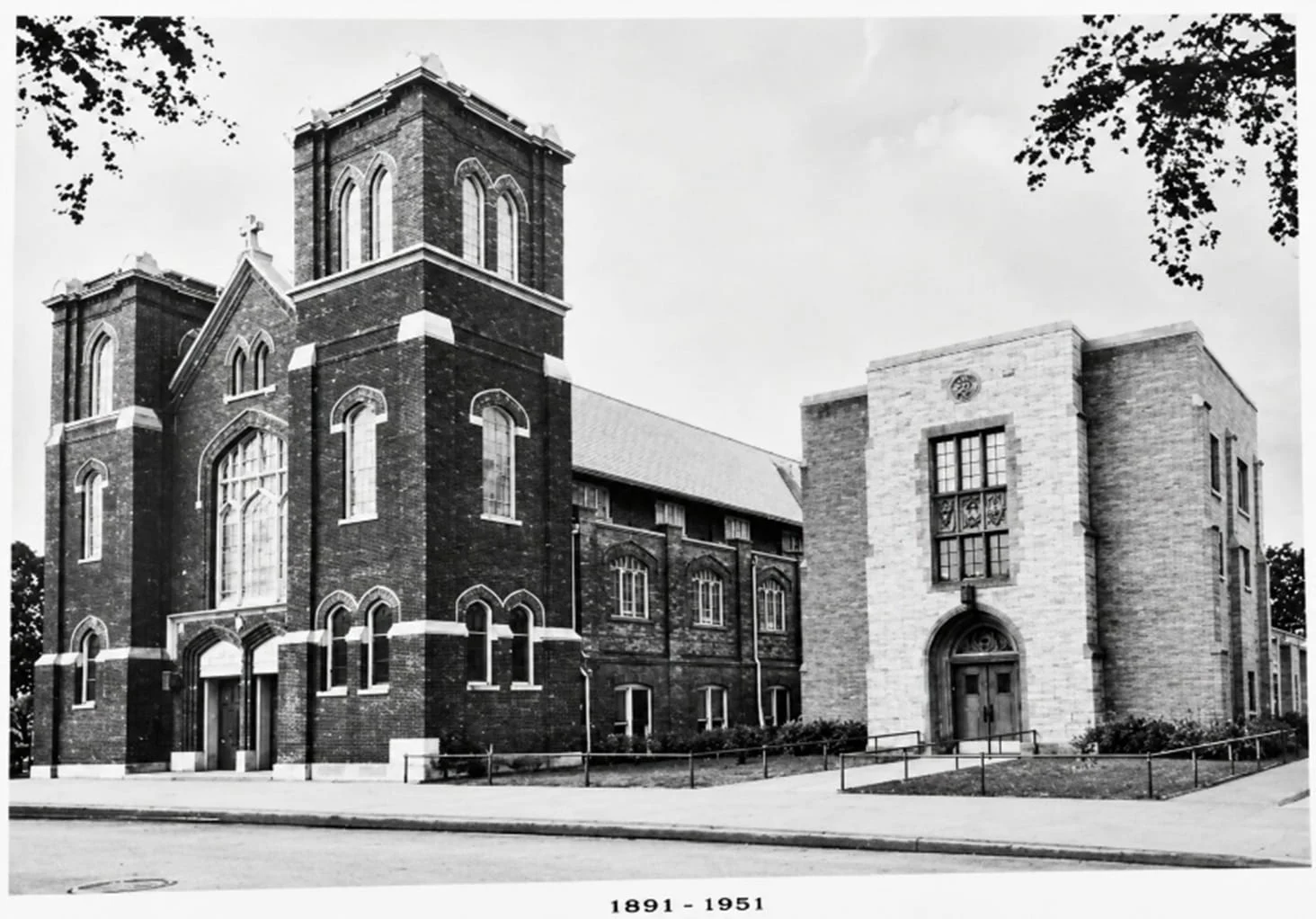
Gustavus Adolphus Lutheran Church where Martin and Annie were married in 1901.
A Remarkable Discovery
What impressed me about Martin’s story was that he arrived in Chicago with a background as a farm laborer in rural Sweden with an eighth-grade education. And yet he found work in Chicago, learned English, and became a naturalized citizen. At first, Martin got a job as a carpenter for the railroad, but he eventually became a foreman. Then by 1920, he bought a home for his family. The census gives the address of the home: 508 East 69th St. Chicago. The Jepsons lived on the bottom floor. The second floor was rented out to boarders.
On a whim, I searched Zillow for the house, and I found it. The flat was built in 1908, so it was fairly new when Martin bought it. According to the 1930 census, the house was worth $10,000, so Martin bought it for approximately $4,000. It’s now worth about $325,000! I don’t know if this apartment fulfilled the dreams that Martin and Annie had when they emigrated, but it seems to me that they were successful at building a home in their adopted country.
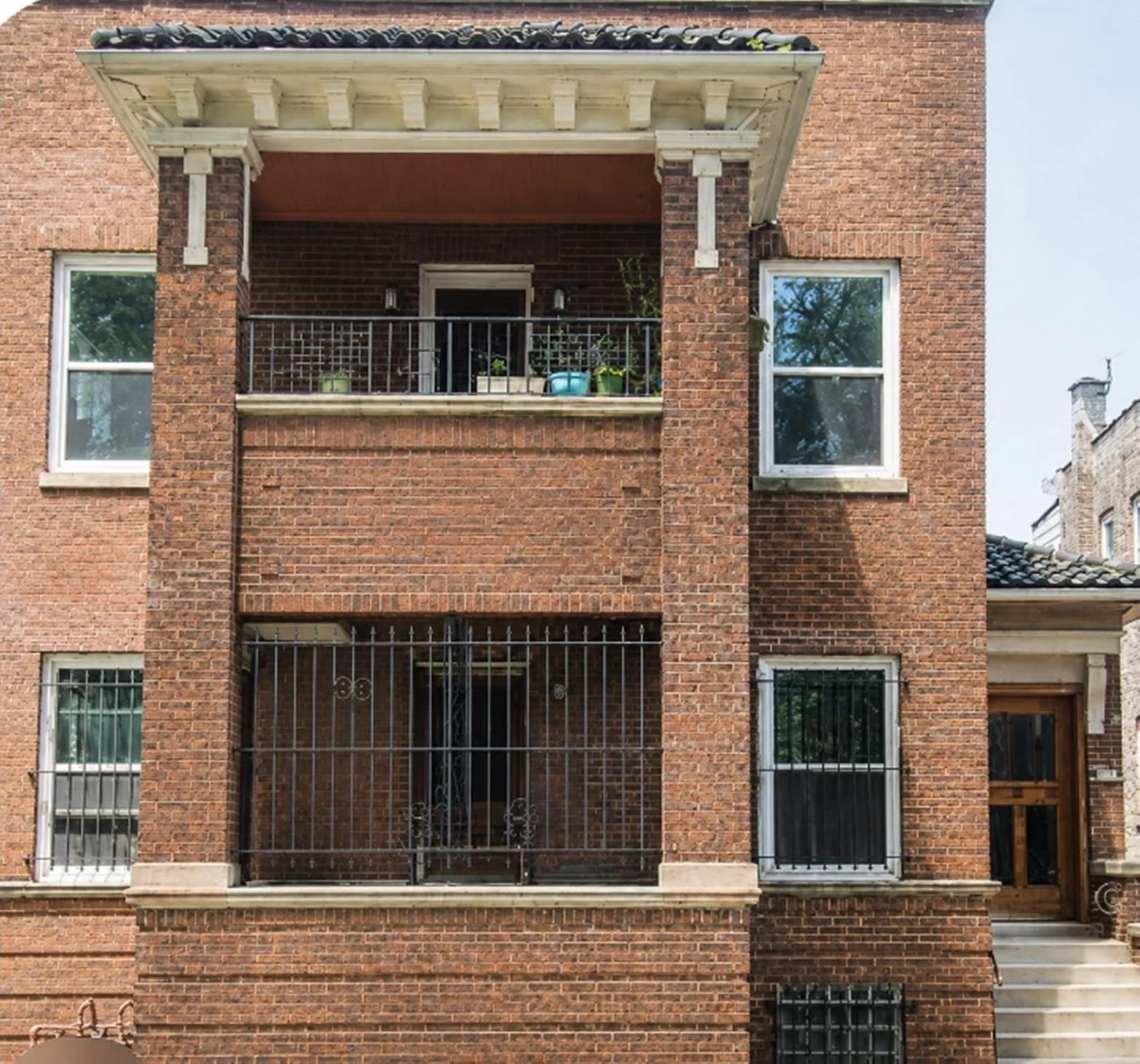
The house Martin bought before 1920 as it appears today.
Closing Reflection
As I looked through the Jepson records and research, I was amazed at the courage these young people had. They left rural backgrounds to come to Chicago, a huge city with different customs and a new language. Although there was extensive immigration from Sweden to America in the 19th century, many people made a different decision. They stayed. I still don’t know exactly how Martin and Annie got the courage to leave Sweden. I wonder what I would have done.
Behind This Issue
This month’s stories grew out of photos taken in Sweden, Swedish church records, census records, and personal correspondence.
Coming in the Next Issue
Did you ever wonder what it would be like to fight on the losing side of the Revolutionary War? In the next issue, I’ll explore that question through the story of another ancestor, one from the Samis family.
Explore More on Ancestors2Illinois
Subscribe to the Newsletter
Lives Behind the Records
Questions. Discoveries. Stories from Family History.