About
Ancestors2Illinois
Sixteen Families. One Destination: Illinois.
I grew up in Illinois listening to my grandparents tell stories about the “old times.” But these stories never went beyond Illinois.
Curious about our family history, I asked my grandmother a question.
“What nationality are we?”
The answer—“We’re Yankees”—was simple. The history behind it was not.
To better understand our origins, I began interviewing relatives and gathering records. Census reports, land deeds, probate files, immigration documents, church records, local histories, and family papers gradually revealed something larger than names and dates.
They revealed journeys.
Between 1834 and 1896, sixteen separate family lines left Europe, Canada, New York, and New England and settled in northern Illinois — Chicago and Kane, Lake, Cook, and DeKalb Counties.
Why Illinois?
During the 19th century, Illinois offered opportunity: affordable farmland, expanding transportation, established communities, and growing towns.
Many of the places these families settled were still forming—building roads, churches, schools, and farms.
The places they left had limited opportunities, but migration was not inevitable. These families came to Illinois. Others stayed behind. Those who moved accepted uncertainty and separation in exchange for possibility.
Their decisions shaped the generations that followed.
Built on Research, Told as Story
Every section of this site is grounded in documented genealogical research. Biographical summaries are based on verifiable records. Interpretation, where offered, is informed by historical context.
But facts alone rarely capture experience.
These narratives are written to explore not only where ancestors lived, but what it may have meant to leave home and begin again in Illinois.

Susan Lenski, 2026
Women and Migration
Migration affected men and women differently.
For many men, it represented economic opportunity.
For many women, it meant permanent separation from family and the work of rebuilding households in unfamiliar surroundings.
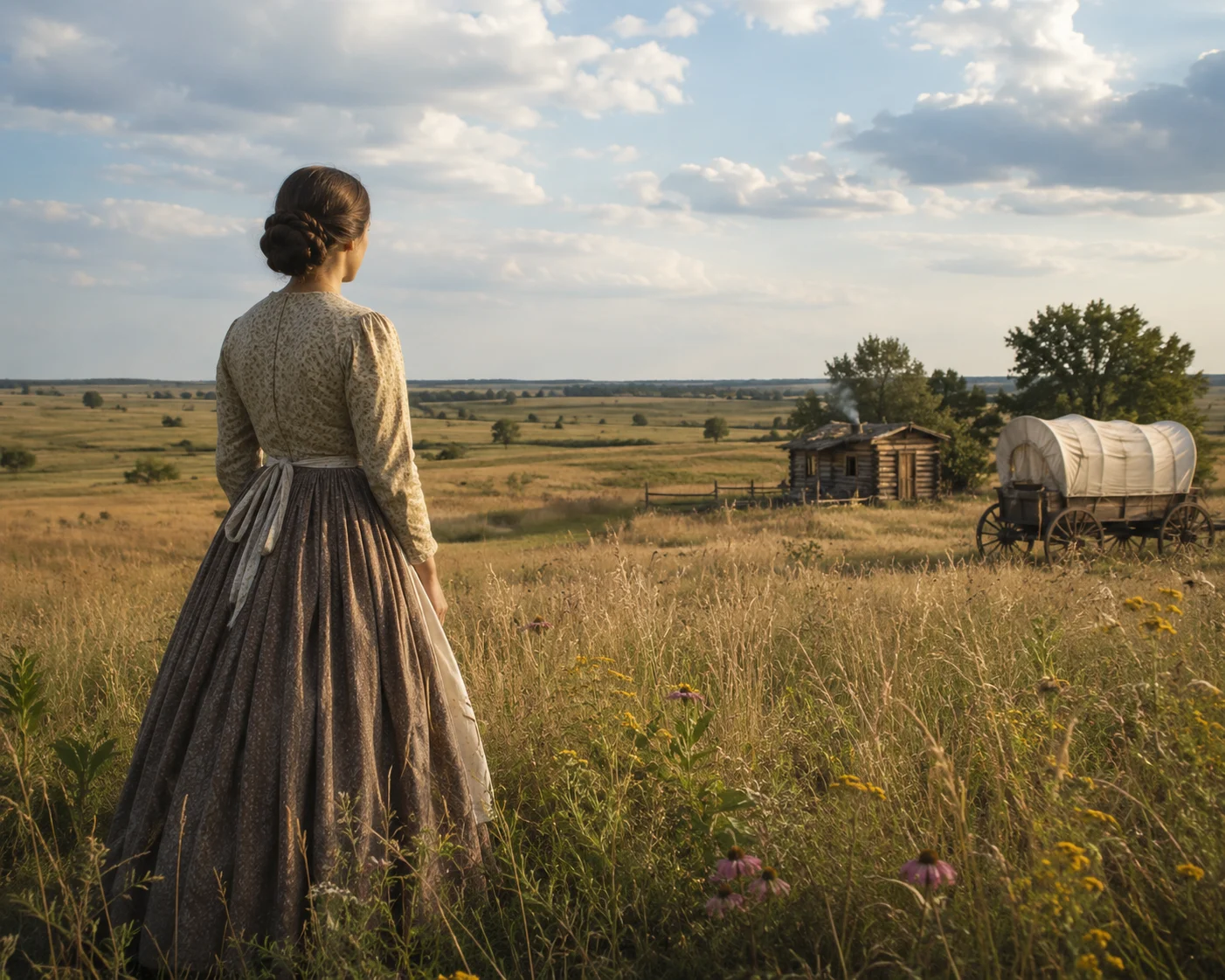
This project places women deliberately within the center of migration stories—as partners, laborers, and builders of community.
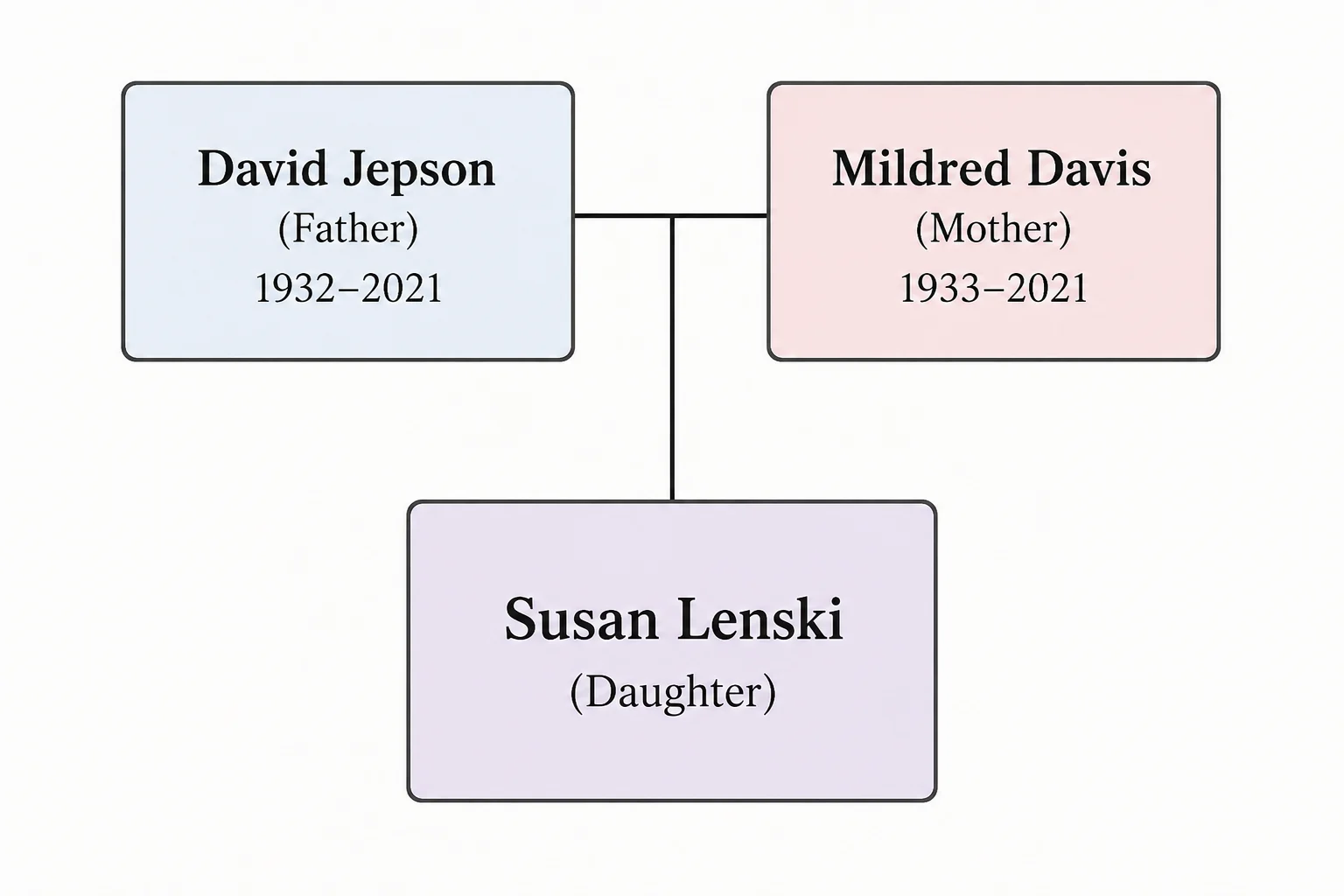
Explore the Website
The site is divided into two ancestral lines:
- Jepson
- Davis
Within each line, families are organized by arrival date, allowing visitors to follow the migration timeline from 1834 to 1896.
Each section includes:
- A biographical sketch
- A migration narrative
- A genealogical summary
- Legacy
- Photographs, when available
This is a living project and will be updated as new information is discovered.
For Researchers
This site may be useful to those studying 19th-century migration into northern Illinois, particularly movement from New England, New York, Canada, and Europe.
The sixteen family lines reflect broader settlement patterns into Chicago and the counties of Kane, Lake, Cook, and DeKalb during a period of rapid growth.
Surnames and documented lines are identified within each section. All narratives are grounded in verifiable records and regional historical context.
Detailed references are available in Paths to Illinois and through my Ancestry family tree.
Family Tree Charts
Two ancestor charts show how the families connect across the generations. Both open as PDFs you can read on screen or print.
- Jepson Ancestor Chart (PDF)
- Davis Ancestor Chart (PDF)
To follow a single person rather than a whole line, start from the Ancestors & Surnames index.